All About Bed Bugs: Understanding Heat Treatment for Effective Elimination
Bed bugs are well known for their capacity to infiltrate homes and disturb daily life. Understanding their behavior and the signs of an infestation is vital for homeowners. Among various eradication methods, heat treatment stands out as a powerful, chemical-free solution. It effectively targets all life stages of these pests. Proper preparation is crucial to its effectiveness, yet many homeowners neglect important steps prior to treatment. Investigating these elements can provide greater insight into how to tackle this stubborn concern.
What Are Bed Bugs and How Do They Infest Your Home?
Bed bug infestations, small parasitic insects classified under the Cimex genus, have become notorious for their ability to infiltrate residences and disturb daily life. These insects excel at traveling on luggage, clothing, and furnishings, making them common travelers in city settings. After gaining entry, bed bugs tend to hide within small gaps and tight spaces, especially near sleeping areas and cushioned furnishings, where they can remain hidden during the day.
Their reproductive capabilities enhance their infestation potential; females can lay hundreds of eggs in their lifetime, leading to rapid population growth. Bed bugs prosper in heated, shadowy surroundings, allowing them to stay close to their primary food source—human blood. Their elusive conduct and hardiness make prompt detection problematic, frequently leading to extensive infestations before residents become aware of the issue. Comprehending their behaviors is critical for developing successful prevention and treatment approaches.
Indicators of a Bed Bug Infestation: What to Watch For
Detecting a bed bug infestation in its early stages is essential for successful management. Residents should be vigilant for specific signs indicating their presence. Typical signs include dark, rust-colored stains on bedding or furniture, which represent fecal deposits left behind by the bugs. Furthermore, discarded exoskeletons, frequently discovered near their hiding areas, indicate that bed bugs are growing.
Skin bites, usually grouped in clusters or rows, are likely to develop as bed bugs feed at night. These marks can lead to itching or irritation, encouraging a more thorough examination. A distinctive musty scent can also emanate from affected areas, resulting from the secretions of bed bugs.
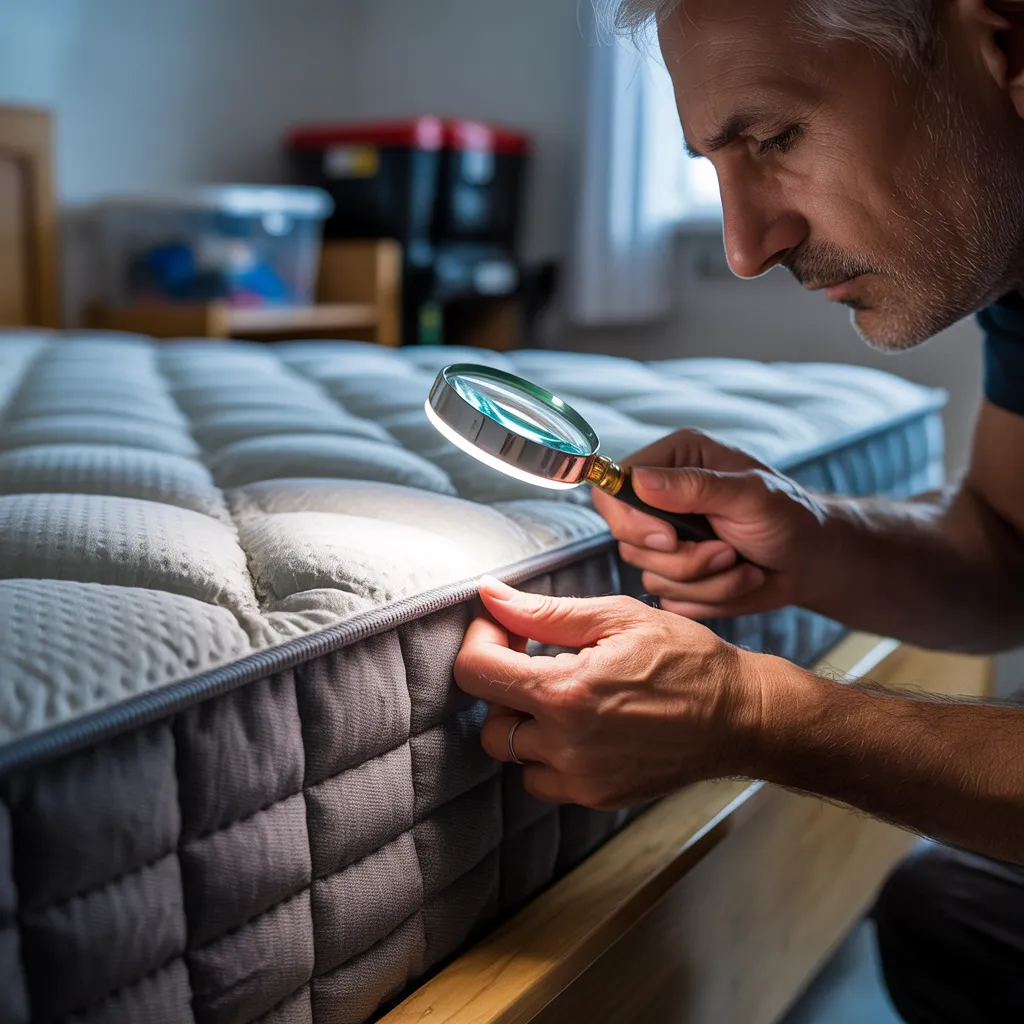
Checking seams of mattresses, headboard surfaces, and in the crevices of furniture is essential, as these spots are commonly favored for concealment. Early detection guarantees swift action, preventing a full-blown infestation that may result in significant remediation work.
Exploring How Heat Treatment Gets Rid of Bed Bugs
Effective management of a bed bug infestation demands knowledge of the approaches available for extermination. Thermal treatment stands as a broadly accepted method, applying high temperatures to destroy these pests. The treatment involves raising the temperature of contaminated zones to between 120°F and 140°F, thoroughly reaching walls, furniture, and other sheltered locations where bed bugs reside.
Bed bugs have a significant weakness to heat; exposure to temperatures above 113°F for just 90 minutes can kill them at all life stages. This method also targets eggs, which are notoriously resilient. During heat treatment, specialized equipment is used to guarantee even heat distribution, preventing cold spots where bed bugs might survive.
Moreover, heat treatment is chemical-free, making it a environmentally friendly choice for pest control. By interfering with the bed bugs' natural biological functions, heat treatment not only destroys current infestations but also plays a role in preventing future outbreaks.
Why Heat Treatment Is the Best Solution for Bed Bugs
Heat treatment stands out as the top choice for bed bug elimination owing to its effectiveness in reaching and eradicate pests across all life stages, eggs included. As opposed to chemical methods, which may spare some bugs, heat penetrates furniture, cracks, and crevices, providing comprehensive coverage. The technique requires increasing the temperature of the infested space to a lethal range, typically between 120°F and 140°F, effectively killing bed bugs on contact. This method eliminates the need for repeated applications, decreasing the risk of pest resistance forming. Additionally, heat treatment is environmentally friendly, because it limits exposure to harmful chemicals. Its speed is another advantage; the majority of treatments are finished within one day, enabling a swift return to normal living. Overall, heat treatment's thoroughness, efficiency, and safety make it a preferred choice for homeowners seeking effective bed bug solutions.
What to Do Before Bed Bug Heat Treatment
Planning for bed bug heat treatment requires meticulous planning get details on this to confirm the process is effective. Homeowners should begin by clearing out the impacted spaces, clearing away anything that might hinder heat penetration. Every piece of clothing, bedding, and personal items should be washed in hot water and dried on high heat to eradicate any surviving insects. It is essential to perform a thorough vacuuming, focusing carefully on small openings and corners where bed bugs tend to shelter themselves.
Furthermore, pets must be relocated during treatment, and plants need to be taken outside to prevent damage from the high temperatures. Electronics, including televisions and computers, should be taken out or protected to shield them from the effects of heat. Lastly, residents should confirm that the area designated for treatment is available, allowing technicians to work efficiently. Adequate preparation not only boosts the success of the heat treatment but also reduces the likelihood of re-infestation.
Questions We Often Receive
Can Bed Bugs Survive Extreme Cold Temperatures?
Bed bugs cannot survive extreme cold temperatures. Temperatures below 0°F (-18°C) sustained for several days will effectively destroy all life stages, including eggs, ensuring complete eradication of these pests from infested areas.
How Long Does Heat Treatment Usually Take?
Heat treatment usually needs around six to eight hours to effectively eliminate bed bugs. The duration may vary depending on the severity of the infestation and the specific methods employed by professionals during the process.
Are There Health Risks Linked to Heat Treatment?
There are very few health concerns related to heat treatment for bed bugs. When performed correctly, these procedures ensure safety, but individuals with respiratory issues or sensitivities may experience temporary discomfort. Speaking with experts can help address any potential concerns.
Is My Furniture or Belongings at Risk of Damage from Heat Treatment?
Heat-based treatment may potentially harm some furniture and personal belongings, most notably items sensitive to high temperatures. It is advisable to take out or safeguard vulnerable items before treatment to reduce the risk of heat damage.
How Regularly Should I Examine for Bed Bugs After Treatment?
After treatment, bed bug inspections should be conducted every month for a minimum of six months. Consistent monitoring make it possible to identify any possible reinfestation promptly, guaranteeing effective control and maintaining a pest-free environment for residents.